Outdoor areas have developed past user-friendly lawns and ornamental shrubs. Today, property owners are embracing the art and technological know-how of outdoor lawn layout to craft tranquil, fashionable, and useful spaces that expand the living ecosystem beyond the partitions of the home. Whether the goal is rest, unique, or creating a sustainable garden, beneficial layout is the cornerstone of a winning out of doors transformation.
What Is Outdoor Garden Design?
Outdoor lawn design refers back to the intentional planning and association of outside regions through a mix of healthy aspects, structural options, and aesthetic principles. Unlike ordinary gardening, which pretty much focuses on plant care, lawn layout carries format planning, visitors circulate, shade coordination, and the mixing of buildings equivalent to paths, patios, lights, and water capabilities.
This strategy combines creativity and functionality, transforming efficient areas into custom-made sanctuaries that mirror the user’s life style, local weather, and the property's one of a kind traits.
The Elements of Exceptional Garden Design
A thoughtfully designed backyard harmonizes quite a few parts to create a cohesive and visually appealing ambiance. Key method comprise:
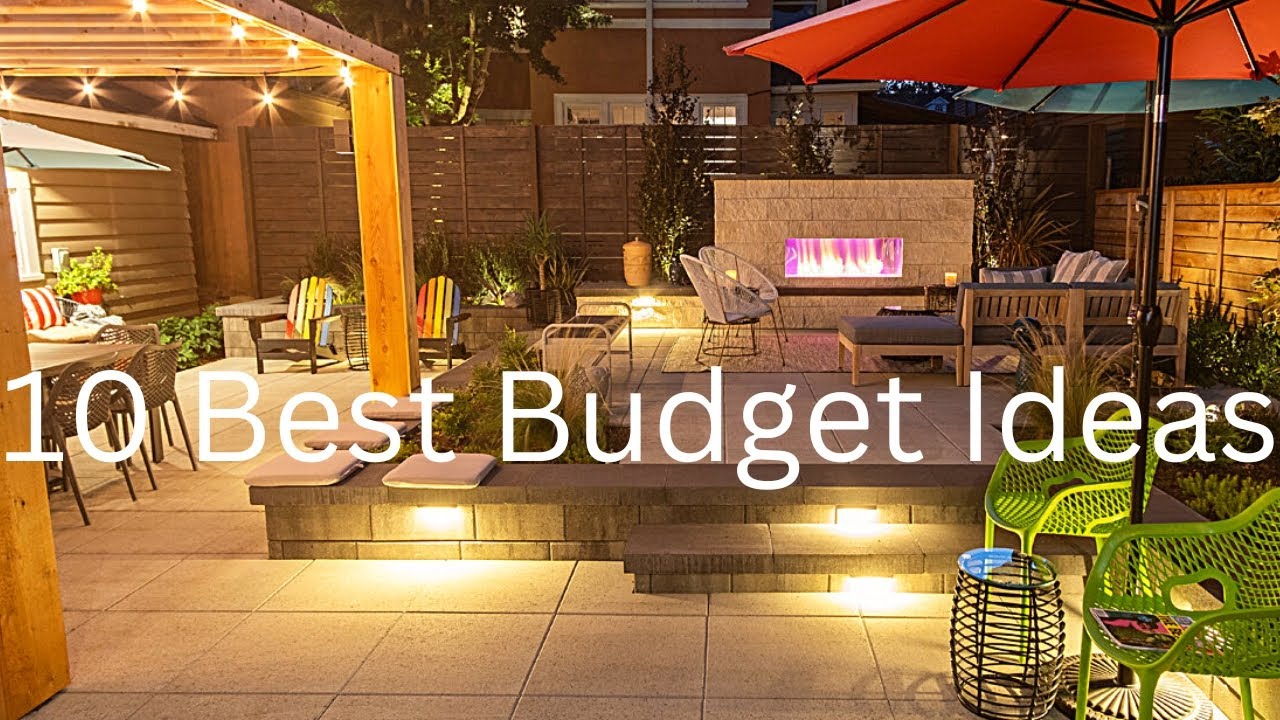
- Layout and Structure: The garden’s layout forms its spine. Designers regularly initiate by using mapping the distance and defining zones for specified reasons—equivalent to lounging, planting, dining, or play. Pathways aid motion and establish common circulation among places. Plant Selection and Grouping: Choosing the desirable crops is either an artwork and a technology. Considerations embody sun publicity, soil prerequisites, renovation needs, and seasonal pastime. A mix of textures, heights, and colors provides intensity and size, at the same time as native and drought-resistant flowers strengthen sustainability. Hardscaping Features: Hardscaping refers to the usage of non-plant substances like stone, wooden, or steel. Popular hardscape components in open air backyard layout include patios, holding walls, raised beds, decks, fences, and stepping stones. Lighting and Ambience: Strategic lights brings gardens to life at night. From delicate string lighting fixtures and lanterns to sunlight pathway markers and spotlights, lighting fixtures complements either performance and mood. Water Features and Sculptures: A fountain, pond, or small waterfall can upload move and serenity. Likewise, creative accents like sculptures or lawn art function focal elements that express personality.
Designing for Purpose and Lifestyle
Every garden needs to align with the people who use it. Outdoor backyard design turns into extra significant while it’s shaped by means of purpose. For illustration:
- Entertaining Spaces: Incorporating open air kitchens, seating components, fireplace pits, or dining zones makes a lawn ultimate for social gatherings. Family-Friendly Gardens: Open lawns, sandboxes, or treehouses supply childrens with a riskless and stimulating environment. Wellness Retreats: Meditation corners, hammocks, and sensory plantings—including lavender or decorative grasses—create spaces for reflection and psychological nicely-being. Productive Gardens: Raised vegetable beds, herb spirals, or fit to be eaten borders mix cosmetic with function, enabling users to grow their personal delicacies.
Small Space, Big Impact: Urban Garden Design
Even the smallest open air places can receive advantages from thoughtful layout. In compact areas like balconies, courtyards, or rooftop gardens, vertical gardening, box planting, and foldable furniture maximize usability. Mirrors, faded-colored surfaces, and good-located greenery can create an phantasm of space and depth.

Vertical planters or trellises let hiking plant life to thrive without occupying a lot flooring, whereas tiered garden beds offer layered elegance and powerfuble use of area. With imaginitive planning, small areas can feel expansive and inviting.
Sustainable Outdoor Garden Practices
Modern lawn layout emphasizes eco-mindful possibilities that gain either homeowners and the planet. Techniques incorporate:
- Rainwater Harvesting: Collecting and reusing rainwater for irrigation is helping conserve substances. Permeable Paving: Materials that enable water to soak into the flooring scale down runoff and advertise in shape soil. Composting: Turning garden and kitchen waste into nutrient-wealthy compost reduces landfill use and boosts plant well being. Native Planting: Using indigenous flora calls for less water, supports biodiversity, and minimizes protection.
These outdoor garden design tips practices no longer basically cut back environmental influence however additionally make a contribution to the long-time period success of the backyard.
Hiring a Garden Design Professional
While many home owners enjoy experimenting with their personal outdoor layouts, working with a knowledgeable designer brings knowledge and lengthy-time period imaginative and prescient to the table. Professionals recognize area optimization, horticultural necessities, and aesthetic stability. They can tailor a design plan that accommodates funds, website online challenges, and private desires.
Moreover, design gurus ordinarilly have get admission to to a broader diversity of resources and flowers, in addition to the tools to visualize the remaining structure earlier installing starts offevolved.
Conclusion
Outdoor garden layout is more than arranging flora—it's about curating a house that blends kind, objective, and nature. Whether creating a peaceful retreat, a social hub, or a pragmatic kitchen backyard, thoughtful layout guarantees that each sq. meter of the outdoors is used to its fullest doable. With the precise means, any lawn can come to be a dwelling work of artwork—desirable, practical, and uniquely individual.