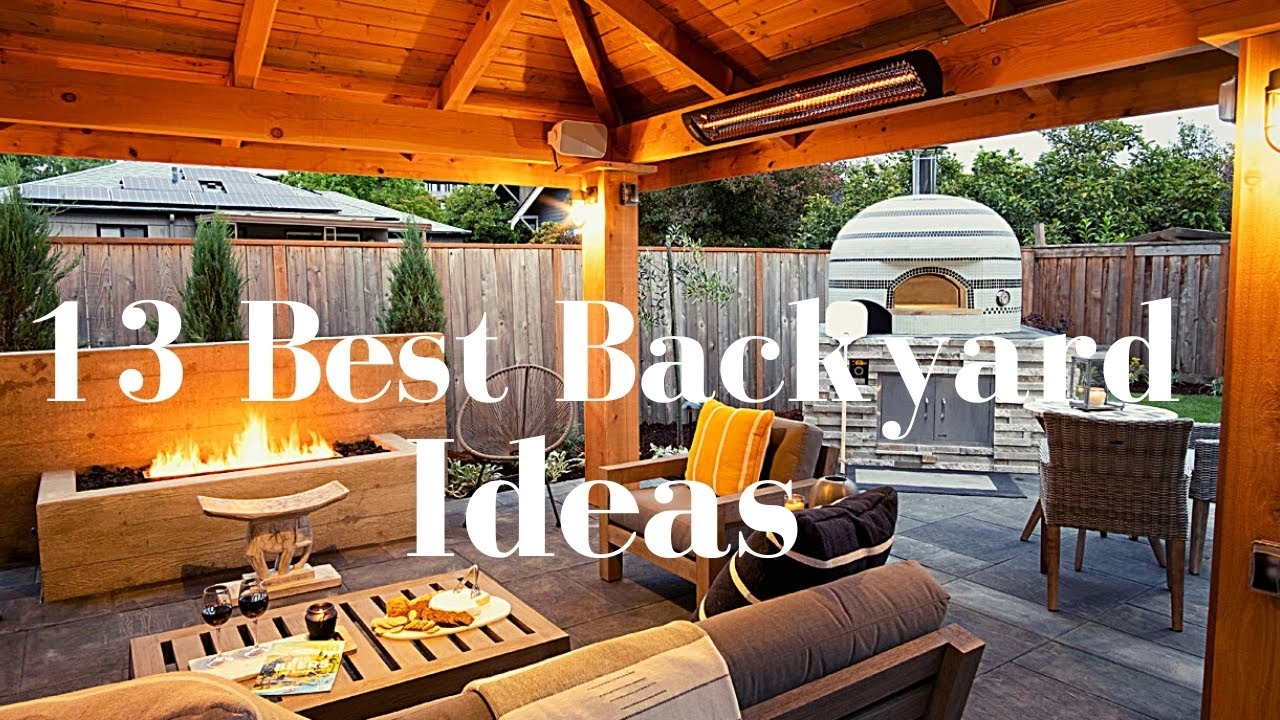
Outdoor spaces have developed past effortless lawns and ornamental shrubs. Today, homeowners are embracing the paintings and science of outdoor garden design to craft tranquil, elegant, and realistic parts that increase the dwelling ecosystem beyond the walls of the home. Whether the aim is relaxation, exciting, or increasing a sustainable backyard, high-quality layout is the cornerstone of a victorious outdoor transformation.
What Is Outdoor Garden Design?
Outdoor lawn layout refers to the intentional making plans and arrangement of out of doors components applying a blend of pure substances, structural positive factors, and aesthetic ideas. Unlike common gardening, which most commonly specializes in plant care, garden layout contains format planning, traffic drift, coloration coordination, and the mixing of systems which include paths, patios, lights, and water characteristics.
This manner combines creativity and capability, reworking inexperienced areas into custom-made sanctuaries that mirror the user’s culture, weather, and the property's exciting features.
The Elements of Exceptional Garden Design
A thoughtfully designed lawn harmonizes countless aspects to create a cohesive and visually attractive ecosystem. Key add-ons consist of:
- Layout and Structure: The lawn’s format bureaucracy its spine. Designers mostly begin with the aid of mapping the gap and defining zones for one of a kind reasons—which include lounging, planting, eating, or play. Pathways handbook movement and establish healthy glide among locations. Plant Selection and Grouping: Choosing the right crops is both an artwork and a science. Considerations embody solar exposure, soil situations, repairs needs, and seasonal curiosity. A blend of textures, heights, and shades adds intensity and measurement, while local and drought-resistant plants support sustainability. Hardscaping Features: Hardscaping refers to the use of non-plant ingredients like stone, timber, or metallic. Popular hardscape substances in backyard garden layout include patios, protecting partitions, raised beds, decks, fences, and stepping stones. Lighting and Ambience: Strategic lights brings gardens to existence at night time. From tender string lights and lanterns to sun pathway markers and spotlights, lights complements equally performance and temper. Water Features and Sculptures: A fountain, pond, or small waterfall can add flow and serenity. Likewise, inventive accents like sculptures or garden art function focal facets that explicit character.
Designing for Purpose and Lifestyle
Every backyard may want to align with the people that use it. Outdoor garden design will become greater meaningful when it’s formed by way of aim. For example:
- Entertaining Spaces: Incorporating outdoors kitchens, seating regions, hearth pits, or dining zones makes a garden most efficient for social gatherings. Family-Friendly Gardens: Open lawns, sandboxes, or treehouses offer youth with a protected and stimulating atmosphere. Wellness Retreats: Meditation corners, hammocks, and sensory plantings—corresponding to lavender or ornamental grasses—create spaces for mirrored image and psychological nicely-being. Productive Gardens: Raised vegetable beds, herb spirals, or fit to be eaten borders combine magnificence with capability, allowing customers to develop their own meals.
Small Space, Big Impact: Urban Garden Design
Even the smallest outdoors spaces can advantage from considerate layout. In compact areas like balconies, courtyards, or rooftop gardens, vertical gardening, container planting, and foldable furnishings Browse around this site maximize usability. Mirrors, gentle-colored surfaces, and properly-placed greenery can create an illusion of house and intensity.
Vertical planters or trellises enable hiking plants to thrive devoid of occupying plenty ground, at the same time tiered backyard beds be offering layered cosmetic and successful use of area. With imaginitive making plans, small areas can sense expansive and inviting.
Sustainable Outdoor Garden Practices
Modern lawn layout emphasizes eco-acutely aware preferences that gain either owners and the planet. Techniques incorporate:
- Rainwater Harvesting: Collecting and reusing rainwater for irrigation supports preserve sources. Permeable Paving: Materials that enable water to soak into the flooring decrease runoff and advertise in shape soil. Composting: Turning lawn and kitchen waste into nutrient-prosperous compost reduces landfill use and boosts plant overall healthiness. Native Planting: Using indigenous flowers calls for much less water, helps biodiversity, and minimizes maintenance.
These practices not most effective limit environmental affect however also contribute to the long-term achievement of the backyard.
Hiring a Garden Design Professional
While many property owners relish experimenting with their own outdoor layouts, running with a legitimate dressmaker brings advantage and long-time period vision to the table. Professionals recognise space optimization, horticultural necessities, and aesthetic stability. They can tailor a design plan that incorporates finances, website online challenges, and personal targets.
Moreover, layout gurus in many instances have access to a broader differ of material and vegetation, in addition the equipment to visualize the very last design formerly install starts.

Conclusion
Outdoor garden design is greater than arranging vegetation—this is approximately curating a space that blends kind, function, and nature. Whether creating a peaceable retreat, a social hub, or a practical kitchen garden, thoughtful design ensures that each and every square meter of the outdoors is used to its fullest ability. With the true way, any lawn can emerge as a dwelling paintings of paintings—exquisite, purposeful, and uniquely individual.