Outdoor areas have developed beyond uncomplicated lawns and decorative shrubs. Today, householders are embracing the art and technology of outside backyard design to craft tranquil, based, and simple areas that delay the living atmosphere past the partitions of the house. Whether the aim is relaxation, entertaining, or growing to be a sustainable lawn, positive layout is the cornerstone of a victorious open air transformation.
What Is Outdoor Garden Design?
Outdoor lawn layout refers to outdoor garden design the intentional planning and association of outside components using a mix of traditional features, structural good points, and aesthetic principles. Unlike plain gardening, which recurrently focuses on plant care, lawn design accommodates design making plans, traffic go with the flow, shade coordination, and the combination of constructions including paths, patios, lighting fixtures, and water functions.
This job combines creativity and function, reworking inexperienced spaces into personalized sanctuaries that replicate the user’s lifestyle, local weather, and the estate's exceptional features.
The Elements of Exceptional Garden Design
A thoughtfully designed lawn harmonizes a few supplies to create a cohesive and visually beautiful setting. Key formulation consist of:
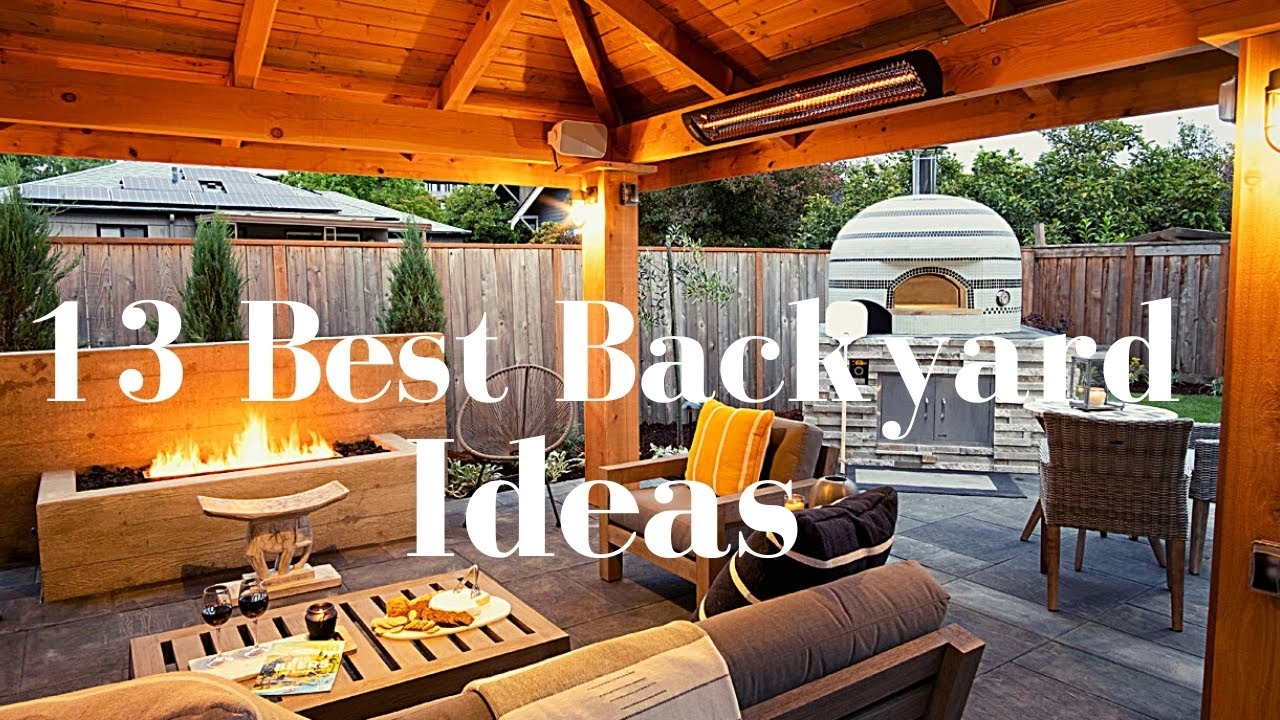
- Layout and Structure: The garden’s design varieties its spine. Designers oftentimes begin through mapping the gap and defining zones for particular purposes—together with lounging, planting, eating, or play. Pathways book movement and identify ordinary movement between components. Plant Selection and Grouping: Choosing the properly flora is equally an art and a technology. Considerations contain sunlight publicity, soil situations, repairs demands, and seasonal curiosity. A mix of textures, heights, and colorations provides intensity and dimension, when native and drought-resistant flora help sustainability. Hardscaping Features: Hardscaping refers to using non-plant material like stone, wooden, or metal. Popular hardscape aspects in backyard lawn design comprise patios, holding partitions, raised beds, decks, fences, and stepping stones. Lighting and Ambience: Strategic lights brings gardens to lifestyles at night. From cushy string lighting and lanterns to sun pathway markers and spotlights, lights complements both function and mood. Water Features and Sculptures: A fountain, pond, or small waterfall can add movement and serenity. Likewise, inventive accents like sculptures or backyard paintings serve as focal facets that specific personality.
Designing for Purpose and Lifestyle
Every lawn should always align with the people who use it. Outdoor garden design turns into extra significant when it’s shaped via aim. For instance:
- Entertaining Spaces: Incorporating outdoor kitchens, seating parts, fireplace pits, or dining zones makes a backyard suited for social gatherings. Family-Friendly Gardens: Open lawns, sandboxes, or treehouses give kids with a riskless and stimulating surroundings. Wellness Retreats: Meditation corners, hammocks, and sensory plantings—together with lavender or decorative grasses—create spaces for reflection and psychological well-being. Productive Gardens: Raised vegetable beds, herb spirals, or fit for human consumption borders integrate beauty with function, allowing users to grow their very own nutrition.
Small Space, Big Impact: Urban Garden Design
Even the smallest outdoor areas can benefit from considerate layout. In compact spaces like balconies, courtyards, or rooftop gardens, vertical gardening, container planting, and foldable furnishings maximize usability. Mirrors, light-colored surfaces, and properly-positioned greenery can create an phantasm of area and intensity.
Vertical planters or trellises enable climbing plants to thrive without occupying so much floor, whilst tiered garden beds offer layered cosmetic and useful use of area. With ingenious making plans, small areas can really feel expansive and inviting.

Sustainable Outdoor Garden Practices
Modern garden layout emphasizes eco-aware alternatives that benefit either house owners and the planet. Techniques consist of:
- Rainwater Harvesting: Collecting and reusing rainwater for irrigation supports conserve instruments. Permeable Paving: Materials that let water to soak into the flooring in the reduction of runoff and promote wholesome soil. Composting: Turning lawn and kitchen waste into nutrient-prosperous compost reduces landfill use and boosts plant well being. Native Planting: Using indigenous plant life calls for much less water, supports biodiversity, and minimizes repairs.
These practices not merely lower environmental effect but also make contributions to the long-time period luck of the backyard.
Hiring a Garden Design Professional
While many property owners relish experimenting with their own open air layouts, operating with a expert designer brings wisdom and long-time period vision to the desk. Professionals fully grasp house optimization, horticultural requirements, and aesthetic steadiness. They can tailor a layout plan that comprises finances, web page challenges, and personal desires.
Moreover, design gurus incessantly have entry to a broader stove of supplies and crops, in addition the instruments to imagine the ultimate format sooner than deploy starts offevolved.
Conclusion
Outdoor lawn design is more than arranging plants—it really is about curating a space that blends shape, role, and nature. Whether developing a peaceable retreat, a social hub, or a pragmatic kitchen lawn, thoughtful layout guarantees that each rectangular meter of the outside is used to its fullest power. With the good approach, any garden can emerge as a dwelling work of paintings—fascinating, purposeful, and uniquely own.