Outdoor areas have evolved beyond clear-cut lawns and decorative shrubs. Today, property owners are embracing the artwork and technology of out of doors lawn layout to craft tranquil, fashionable, and sensible parts that delay the dwelling ecosystem past the walls of the house. Whether the purpose is relaxation, unique, or growing a sustainable lawn, strong layout is the cornerstone of a victorious outdoor transformation.

What Is Outdoor Garden Design?
Outdoor garden layout refers back to the intentional planning and association of outside places utilizing a blend of herbal factors, structural gains, and aesthetic standards. Unlike undemanding gardening, which ordinarilly makes a speciality of plant care, lawn design contains format making plans, visitors stream, shade coordination, and the mixing of buildings reminiscent of paths, patios, lighting fixtures, and water options.
This course of combines creativity and function, reworking eco-friendly spaces into personalized sanctuaries that reflect the user’s subculture, local weather, and the assets's different features.
The Elements of Exceptional Garden Design
A thoughtfully designed garden harmonizes numerous ingredients to create a cohesive and visually alluring atmosphere. Key areas come with:
- Layout and Structure: The lawn’s layout varieties its backbone. Designers mostly start up by using mapping the gap and defining zones for one of a kind functions—which include lounging, planting, eating, or play. Pathways marketing consultant circulate and identify natural stream among areas. Plant Selection and Grouping: Choosing the excellent flowers is either an paintings and a science. Considerations comprise solar publicity, soil prerequisites, preservation necessities, and seasonal hobby. A combine of textures, heights, and colorations adds intensity and dimension, at the same time native and drought-resistant plant life fortify sustainability. Hardscaping Features: Hardscaping refers to the use of non-plant ingredients like stone, wooden, or steel. Popular hardscape aspects in outdoor garden design include patios, maintaining partitions, raised beds, decks, fences, and stepping stones. Lighting and Ambience: Strategic lighting brings gardens to existence at evening. From delicate string lights and lanterns to sun pathway markers and spotlights, lights complements the two performance and temper. Water Features and Sculptures: A fountain, pond, or small waterfall can add move and serenity. Likewise, inventive accents like sculptures or lawn artwork serve as focal factors that convey persona.
Designing for Purpose and Lifestyle
Every backyard should align with the those that use it. Outdoor garden design turns into greater meaningful while it’s formed through aim. For occasion:
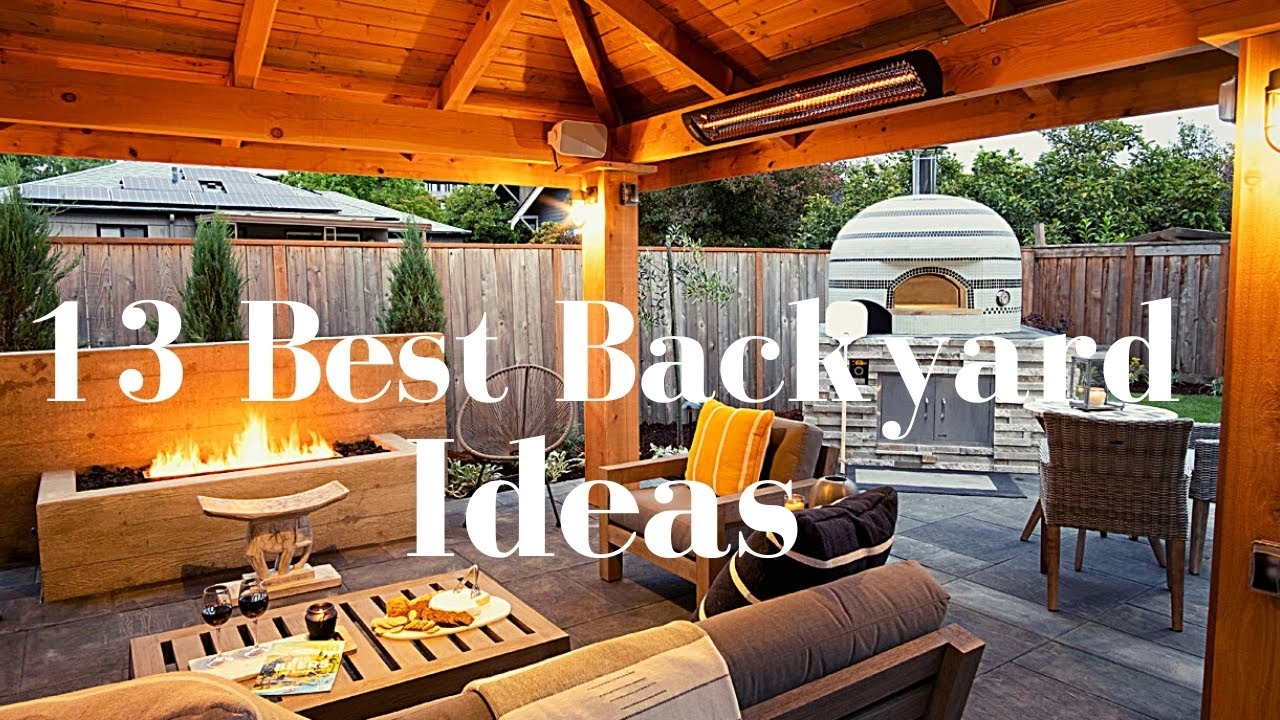
- Entertaining Spaces: Incorporating outside kitchens, seating places, fireplace pits, or eating zones makes a backyard proper for social gatherings. Family-Friendly Gardens: Open lawns, sandboxes, or treehouses deliver young ones with a risk-free and stimulating ambiance. Wellness Retreats: Meditation corners, hammocks, and sensory plantings—such as lavender or decorative grasses—create spaces for reflection and mental smartly-being. Productive Gardens: Raised vegetable beds, herb spirals, or suitable for eating borders combine magnificence with function, permitting customers to develop their personal cuisine.
Small Space, Big Impact: Urban Garden Design
Even the smallest open air spaces can gain from considerate design. In compact areas like balconies, courtyards, or rooftop gardens, vertical gardening, field planting, and foldable fixtures maximize usability. Mirrors, pale-colored surfaces, and nicely-located outdoor garden design greenery can create an illusion of space and intensity.
Vertical planters or trellises allow mountain climbing flora to thrive with no occupying much flooring, even though tiered backyard beds supply layered magnificence and effectual use of space. With inventive making plans, small spaces can believe expansive and inviting.
Sustainable Outdoor Garden Practices
Modern backyard layout emphasizes eco-acutely aware preferences that improvement the two property owners and the planet. Techniques embrace:
- Rainwater Harvesting: Collecting and reusing rainwater for irrigation helps conserve sources. Permeable Paving: Materials that allow water to soak into the flooring slash runoff and sell healthful soil. Composting: Turning backyard and kitchen waste into nutrient-rich compost reduces landfill use and boosts plant health and wellbeing. Native Planting: Using indigenous crops calls for less water, helps biodiversity, and minimizes preservation.
These practices no longer most effective cut back environmental impact but also give a contribution to the long-term achievement of the backyard.
Hiring a Garden Design Professional
While many householders have fun with experimenting with their very own out of doors layouts, working with a pro dressmaker brings understanding and lengthy-term vision to the table. Professionals know space optimization, horticultural necessities, and aesthetic stability. They can tailor a layout plan that accommodates finances, web page demanding situations, and personal goals.
Moreover, design mavens recurrently have entry to a broader fluctuate of resources and plant life, in addition the gear to imagine the final structure until now setting up starts off.
Conclusion
Outdoor garden design is greater than arranging flowers—it really is about curating a area that blends variety, characteristic, and nature. Whether growing a peaceable retreat, a social hub, or a realistic kitchen lawn, considerate layout guarantees that each and every sq. meter of the outdoors is used to its fullest plausible. With the excellent method, any garden can changed into a living work of paintings—gorgeous, useful, and uniquely exclusive.